
Mobile gaming has been transforming the entertainment landscape for years, and its impact is undeniable. As people increasingly turn to their smartphones to pass the time, the demand for high-quality mobile games has skyrocketed. According to a recent report, the global mobile gaming market is projected to reach a staggering $128 billion by 2025, with the average mobile gamer spending around 2.7 hours per day on games. That’s a remarkable statistic, and it’s a testament to the industry’s incredible growth.
The Evolution of Mobile Gaming
Mobile gaming has come a long way since its humble beginnings. From the simplicity of Tetris to the complexity of Fortnite, the genre has evolved significantly. The introduction of touch-screen controls and mobile-friendly graphics has made it easier for developers to create immersive experiences for players. The success of mobile games like Pokémon Go, which generated over $10 billion in revenue in 2020, is a testament to the industry’s growth and adaptability.
The Rise of Hyper-Casual Games
One of the most notable trends in mobile gaming is the rise of hyper-casual games. These games are designed to be quick, easy to play, and highly addictive, often featuring simple mechanics and colorful graphics. Hyper-casual games have become incredibly popular, with many titles generating millions of downloads and millions of dollars in revenue. According to a report by App Annie, hyper-casual games accounted for 22% of the top-grossing mobile games in 2020. Their simplicity and accessibility have made them a staple in many people’s gaming routines.
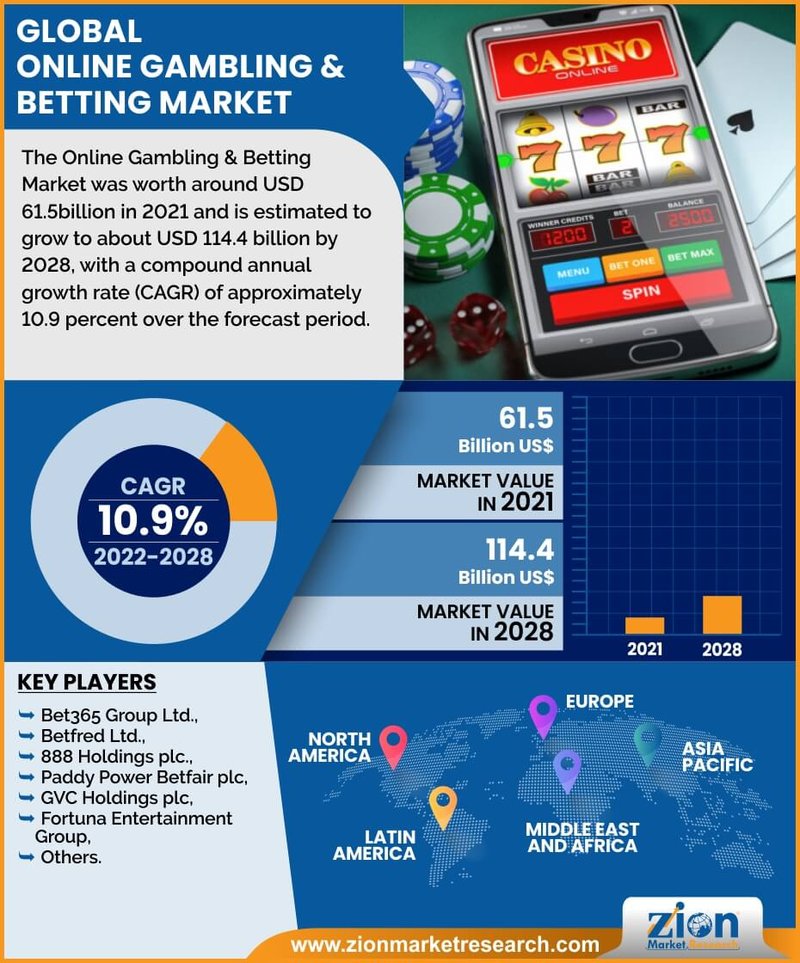
For some, the allure of online platforms like Peak Bet is too great to resist. These platforms offer a unique combination of entertainment and excitement, where players can place bets on their favorite games and potentially win big. Whether it’s the thrill of competition or the promise of a life-changing jackpot, online gaming offers a unique experience that’s hard to find elsewhere.
The Future of Mobile Gaming
The future of mobile gaming looks bright, with many developers experimenting with new technologies and formats. One of the most significant trends in the industry is the rise of cloud gaming, which allows players to access high-quality games on any device with an internet connection. Cloud gaming promises to revolutionize the way we experience mobile games, making it easier than ever to access a wide range of titles on any device.
The rise of mobile gaming has also led to the creation of new business models, such as in-app purchases and subscription services. These models have allowed developers to generate revenue from their games in new and innovative ways, creating new opportunities for growth and profitability. As the industry continues to evolve, it will be interesting to see how mobile gaming shapes the entertainment landscape in the years to come.
In conclusion, the rise of mobile gaming is a revolutionary shift in global entertainment, with a projected market size of $128 billion by 2025. As the industry continues to grow, it will be shaped by new technologies, business models, and player preferences. Whether you’re a seasoned gamer or just starting out, there’s never been a better time to experience the excitement and thrill of mobile gaming.
Frequently Asked Questions
What is the current size of the global mobile gaming market?
The global mobile gaming market is estimated to be over $100 billion, with a steady growth rate towards the projected $128 billion by 2025.
How much time do mobile gamers spend playing games per day?
According to a recent report, the average mobile gamer spends around 2.7 hours per day playing games.
What are the key factors driving the growth of mobile gaming?
The growth of mobile gaming is driven by the increasing demand for high-quality mobile games, advancements in mobile technology, and the convenience of playing games on the go.